Water, food and the north: can the plans add up?
An examination of water, food and infrastructure plans, and what they could mean for long-term resilience.
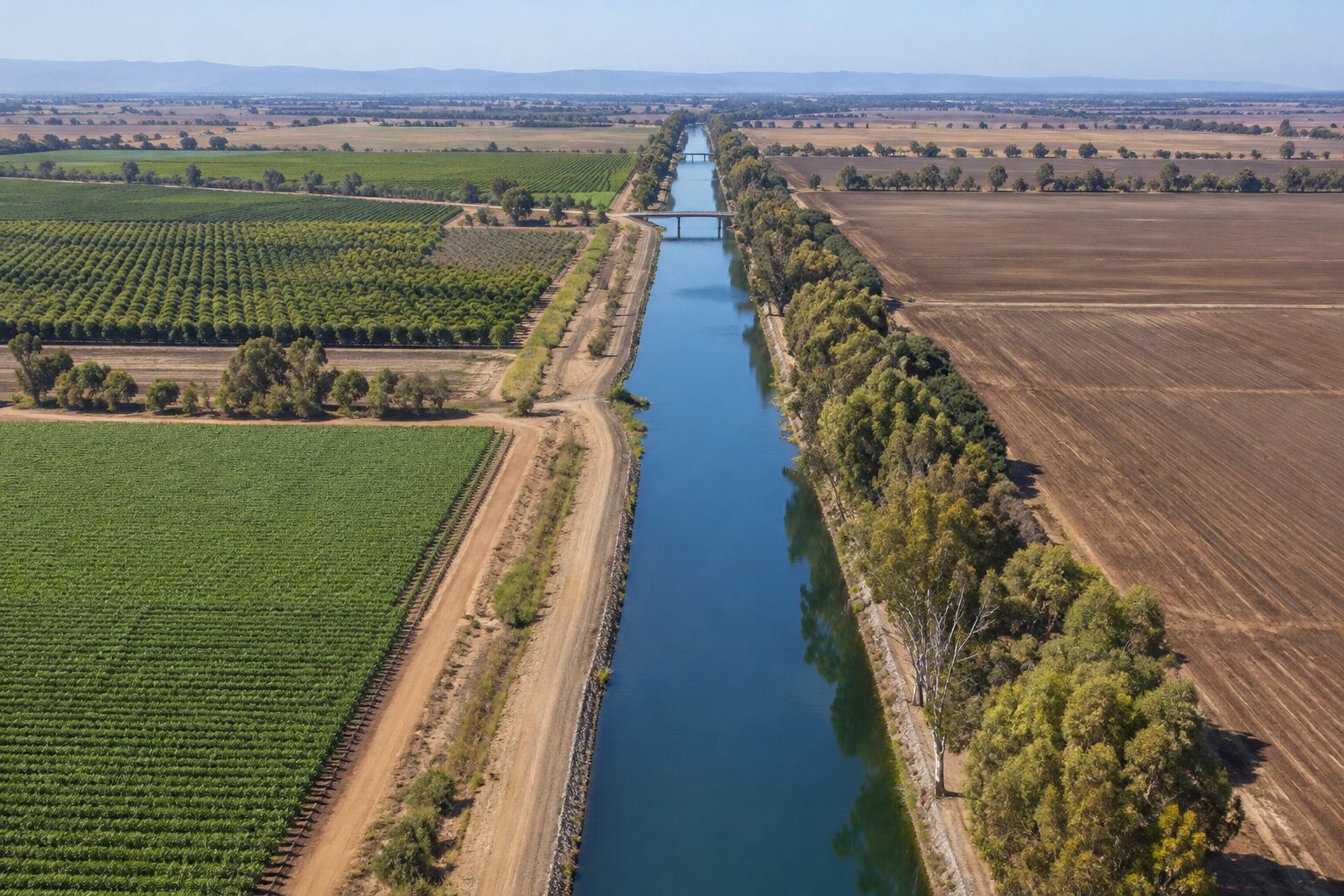
Water and food planning in Australia keeps returning to the same hope: that the north, with its wet seasons and large land area, can carry more farming, more processing and more people. The southern basins are heavily used and face a drier future, so the idea is attractive. Whether the plans add up depends on a few hard facts about water, soil, distance and markets.
Water first
Northern rain is plentiful but seasonal and hard to store. Dams, off-stream storage and groundwater each bring costs and risks, from evaporation to the health of rivers downstream. Any scheme has to show where the water comes from in a poor year, not only in an average one.
Then soils, roads and markets
Good soils are patchy, freight is long and expensive, and processing usually sits near ports and cities. Food projects that work tend to pair water with a nearby market, a processing step and reliable transport.
A regional lens
Australia's neighbours face sharper versions of the same pressures: shared rivers, rising demand and a changing climate. The earlier analysis below covers food and water security across Asia, the Middle East and Africa, and what it means for a large food exporter close to growing markets.
Water and food: from earlier editions
- Water and Food · 2020Contained Virus, Emptier Plates: South-East Asia's Pandemic Food SqueezeHow South-East Asian countries handled Covid-19 in 2020, and why even the successful ones saw incomes fall and household food and nutrition slip.
- Water and Food · 2020Dams and Erratic Flows on the Mekong at the Start of 2020How upstream hydropower in China and Laos left Mekong flows unpredictable in 2019 and early 2020, and why downstream governments did little in response.
- Water and Food · 2020Plenty of Grain, Too Little to Eat: Pakistan's Food and Water SqueezeWhy Pakistan, a major grain producer with a food surplus, still faced severe malnutrition and mounting water stress in 2020, and why reform kept stalling.
- Water and Food · 2020Why the world's water demand looked set to outrun supply by 2050A 2020 look at the forces driving global water demand upwards, the strain on groundwater, and the limits of desalination, recycling and aquifer recharge as fixes.
- Water and Food · 2019Enough Calories, Too Few Nutrients: India's Food Security PuzzleWhy India, self-sufficient in staple grains and running one of the largest food aid schemes anywhere, still struggled with malnutrition, water mismanagement and wasteful farm subsidies in 2019.
- Water and Food · 2019Feeding Nearly Ten Billion: Population, Diets and the 2050 Food QuestionHow population growth, rising incomes and changing diets were expected to push up demand for food and water by mid-century, and which responses looked most realistic.
- Water and Food · 2019Full Granaries, Empty Plates: Why Pakistan Stayed Hungry in 2019Why Pakistan, despite producing more food than it needed and exporting wheat, still had some of the world's worst rates of hunger and child malnutrition in 2019.
- Water and Food · 2019Running Dry and Running Dirty: The State of Pakistan's Water in 2019How drought, thirsty farming, pollution and outdated water laws left Pakistan facing an acute water crisis in 2019, and what its new national water policy could change.
- Water and Food · 2018Farmland, Water and Control: How Agriculture Shaped Tensions in XinjiangHow Beijing used farming, migration and security spending to tighten its hold on Xinjiang, and why those policies risked deepening the rift with the Uighur population.
- Water and Food · 2018Leaking Pipes and Water Gangs: Nairobi's Supply Under StrainHow rapid growth, old pipes, drought and criminal networks combined to leave Kenya's capital short of clean water, and what fixes were being tried.
- Water and Food · 2018Shared Rivers, Strained Ties: Water Between Afghanistan and IranA short overview of why rivers flowing from Afghanistan into Iran have long been a source of friction between two dry neighbours.
- Water and Food · 2017Another Mekong Dam Gets the Green Light in Northern LaosLaos approved a new hydropower dam on the main stem of the Mekong in 2017, raising questions about displacement, fisheries and cooperation with downstream neighbours.
- Water and Food · 2017Lost on the Farm, Left on the Plate: Food Waste in ChinaWhere food went missing along China's supply chain in 2017, from small farms and old grain stores to restaurant tables, and what could cut the losses.
- Water and Food · 2017Neglected Crops and the Case for Wider Food ResearchWhy crops such as teff and cassava, long ignored by plant breeders, were drawing new research interest in 2017 as yields of the big staples levelled off.
- Water and Food · 2017South Asia's food and water outlook to 2030: preparing for a warmer climateWhy population growth was already straining South Asia's food and water supplies in 2017, and how heat, erratic monsoons, floods and melting glaciers were set to add to it.
- Water and Food · 2017Thailand's draft water law and the farm lobby's push back in 2017Why a proposed Thai national water law that would charge large users met resistance from farmers, and why the political opposition was unlikely to profit from it.
- Water and Food · 2017The Hidden Workforce Under the Paddock: Microbes and Soil FertilityA 2017 overview of the bacteria, fungi, algae, protozoa, viruses and worms that keep farm soils fertile, and why science began studying them as one system.
- Water and Food · 2016Dams, Fish and Rice: What Mekong Hydropower Meant for Downstream FoodHow a wave of hydropower dams in China, Laos and Cambodia threatened the fisheries, rice fields and incomes of people living along the lower Mekong in 2016.
- Water and Food · 2016Sharing the Brahmaputra: Upstream Dams and Downstream DistrustHow Chinese dam building in Tibet fed Indian worries about the Brahmaputra in 2016, and what steps could keep a water dispute between the two giants in check.
- Water and Food · 2016Why Indonesia's Push for Food Self-Sufficiency Kept Falling ShortA 2016 look at Indonesia's food system: import curbs that raised prices, a growing middle class, island logistics, beef sourcing and the promise of fisheries.
- Water and Food · 2015Kuwait's Food and Water Supply: Oil Wealth in a Desert StateHow Kuwait kept itself fed and watered in 2015 through oil-funded imports and desalination, and why falling revenue and heavy consumption put that model under strain.
- Water and Food · 2015Salt in the Soil: How Coastal Bangladesh Was Pushing People to the CitiesHow creeping salinity in Bangladesh's Sundarbans coast was ruining farmland and drinking water in 2015, and driving rural families into crowded city slums.
- Water and Food · 2014Plenty of food, poor diets: Australia's nutrition problem in 2014How a country with a safe, abundant food supply still faced rising obesity, hidden food insecurity and thin spending on prevention, and what might have helped.
- Water and Food · 2014Sanctions, Diets and Dry Land: The Pressures on Iran's Food SupplyA look at how changing diets, a neglected farm sector, tight land and water, and foreign sanctions shaped Iran's food security in 2014.
- Water and Food · 2012Egypt After the Revolution: Bread, Land and a Contested NileA 2012 assessment of the food and water pressures facing post-revolution Egypt, from shrinking farmland and costly imports to rising competition for Nile water.
- Water and Food · 2012Tigris and Euphrates: Upstream Dams Leave Iraq Running DryAn account of how Turkish dam building, drought and weak agreements pushed Iraq into a deepening water crisis by 2012, and what might ease the dispute.
- Water and Food · 2011Is There Enough Farmland to Feed Nine Billion People?A 2011 look at how much cropland the world had left, where it lay, what was eroding it, and how better use and protection could stretch it further.
- Water and Food · 2011Turning Seawater into Supply: The Costs and Limits of DesalinationAn assessment of desalination as a water source in 2011, covering where plants were built, the main technologies, energy costs, marine harm and the forces driving the market.